This guide explores the world of Invisaligners, showcasing their importance in modern orthodontics. Invisaligners are transparent dental devices used to align teeth, offering a discreet alternative to traditional braces. Their popularity in English-speaking countries reflects a growing trend toward comfortable, cosmetic-oriented dental solutions. This article informs readers about the benefits and considerations of using Invisaligners for their orthodontic needs.
In the realm of orthodontics, the introduction of Invisaligners has revolutionized the way dental professionals address teeth alignment issues. These transparent aligners offer an alternative to traditional metal braces, providing an aesthetic and comfortable solution for those seeking corrective dental procedures. The discreet nature of Invisaligners has made them a preferred choice, particularly in English-speaking regions where cosmetic considerations often play a significant role in dental treatment decisions.
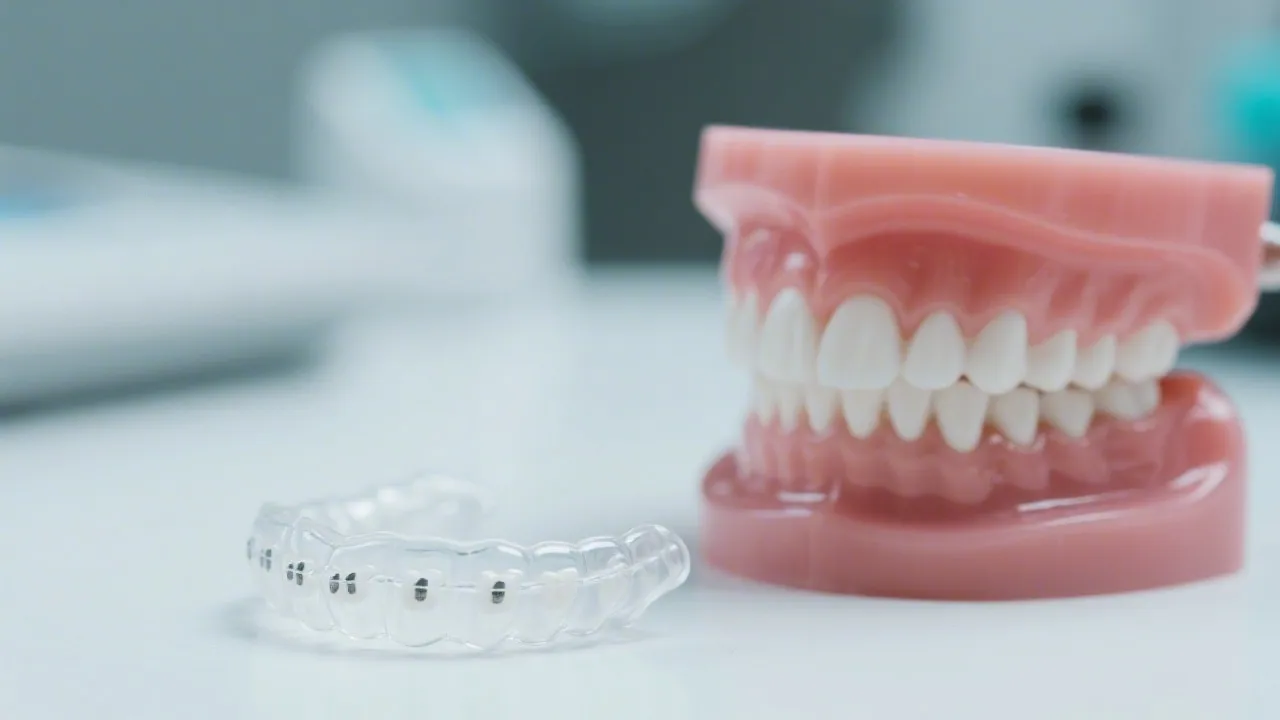
Unlike conventional braces, Invisaligners are made from clear plastic materials that fit snugly over the teeth. They are designed to gradually shift teeth into the desired position through a series of custom-fitted aligners, replaced sequentially over time. This orthodontic innovation minimizes the impact on the wearer’s lifestyle and appearance, offering an invisibly effective treatment method. This is particularly advantageous for adults and teenagers who may be self-conscious about traditional braces.
Moreover, the use of advanced 3D imaging technology allows orthodontists to create a detailed map of the patient’s mouth, which facilitates the design of the aligners tailored to individual needs. This personalized approach increases the efficacy of the treatment while enhancing patient comfort, as the aligners are specifically crafted to adapt to the unique contours of each patient’s teeth and gums.
1. Initial Consultation: The journey with Invisaligners begins with a thorough consultation with a dental professional to assess alignment needs and determine whether Invisaligners are the right solution. During this visit, the orthodontist will review the patient’s dental history, perform a physical examination, and may take X-rays to understand the extent of the alignment issue.
2. Custom Aligners: After the consultation, digital scans are taken to create a 3D model of the patient's mouth, allowing for the customization of the aligner trays. This process not only provides precise measurements but also allows the orthodontist to visualize the entire treatment process, including projected outcomes and timelines.
3. Continuous Treatment: Patients will use a series of aligners, each designed to make slight adjustments to tooth positions. Each set of aligners is typically worn for about two weeks before moving to the next set. These aligners can be easily removed for consumption of food and beverages, which is a significant advantage over traditional braces, as patients have the freedom to maintain their diet without restrictions.
4. Final Adjustments and Retainer: Once treatment is complete, a retainer is often recommended to maintain the new alignments. The retention phase is crucial because teeth have a natural tendency to shift back to their original positions. Retainers help to ensure that your smile stays straight long after the Invisalign process has concluded.
The cost of Invisaligners can vary significantly based on factors such as the degree of alignment required, treatment duration, and geographical location. Below, a table outlines the average cost ranges for individual Invisalign treatments across various English-speaking countries:
| Country | Currency | Cost Range |
|---|---|---|
| United States | USD | $3,500 - $8,000 |
| United Kingdom | GBP | £2,000 - £5,500 |
| Australia | AUD | AU$5,000 - AU$9,000 |
| Canada | CAD | CA$4,000 - CA$7,500 |
It’s important to note that many insurance plans may provide partial coverage for orthodontic treatments, including Invisaligners. Patients should consult with their insurance providers to understand the extent of their coverage and any associated costs. Additionally, some dental practices offer financing options for patients to ease the financial burden of orthodontic care.
There are various strategies for reducing dental treatment costs. Many clinics and service providers, such as Dental Views and Atlantic Dental Group, offer affordable solutions and detailed information on cost-effective dental care, including procedures like Invisaligners. Patients are encouraged to explore these resources to find reasonable pricing for their orthodontic needs.
Furthermore, some dental schools provide treatment options at reduced fees. As students gain hands-on experience under the supervision of licensed instructors, patients can receive high-quality care at lower costs. This option is particularly beneficial for individuals seeking orthodontic treatment but hindered by financial constraints.
| Website | Features |
|---|---|
| Dental Views | Offers detailed insights on dental implants and affordable treatment options |
| Atlantic Dental Group | Provides comprehensive dental services including orthodontics and emergency care |
| DentaVacation | Focuses on dental tourism, offering cost-effective options abroad |
Source: Visit Dental Views, Atlantic Dental Group, DentaVacation.
Invisaligners represent a significant advancement in dental technology, catering to individuals seeking a discreet yet effective orthodontic treatment. By understanding the benefits, costs, and availability of Invisaligners, patients can make informed decisions about their dental care pathway. The emphasis on comfort, aesthetics, and flexibility in treatment options aligns seamlessly with modern demands for both functionality and appearance in orthodontic care.
As demand for innovative dental solutions continues to grow, Invisaligners stand out as a leading option for those desiring a straighter smile without the unsightly and often painful aspects of traditional braces. Invisalign treatment not only enhances dental aesthetics but also contributes to better oral health, making it a worthwhile investment in one's overall well-being. By embracing advancements like Invisalign, patients can take significant steps towards achieving the smile they have always wanted while enjoying the approachability of modern dental treatments.
Moreover, ongoing advancements in technology are likely to enhance the Invisalign experience further. With improvements in materials, design, and treatment protocols, future iterations of Invisaligners may offer even more effective and faster treatment options for patients, solidifying their position as a cornerstone of contemporary orthodontic care.
1. The above information comes from online sources, and data is accurate as of October 2023.
2. Dental implant prices are for reference only and can vary based on location, clinic, and practitioner.