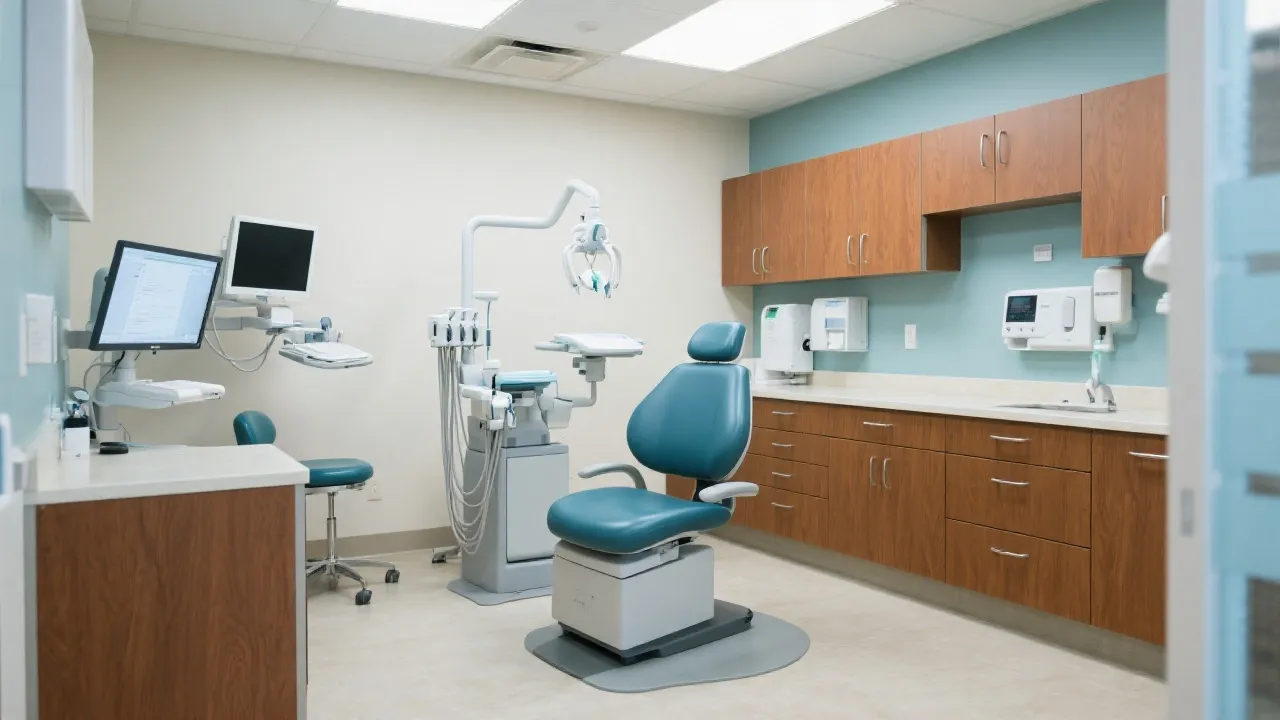
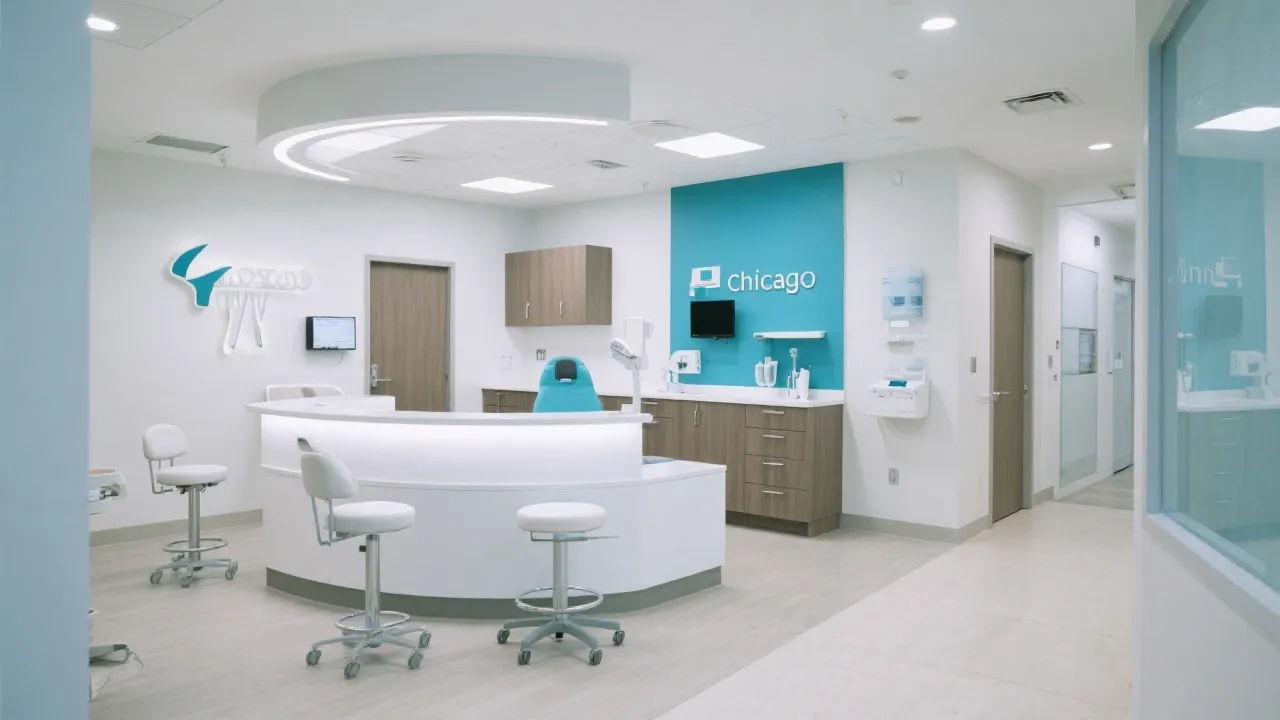
This guide delves into the world of Invisaligners, a cutting-edge alternative to traditional braces for teeth alignment. Initially introduced in the late 1990s, Invisaligners have revolutionized orthodontic treatment by offering a less visible, comfortable, and convenient option for correcting various dental misalignments. This article examines their benefits, cost considerations, and treatment process.
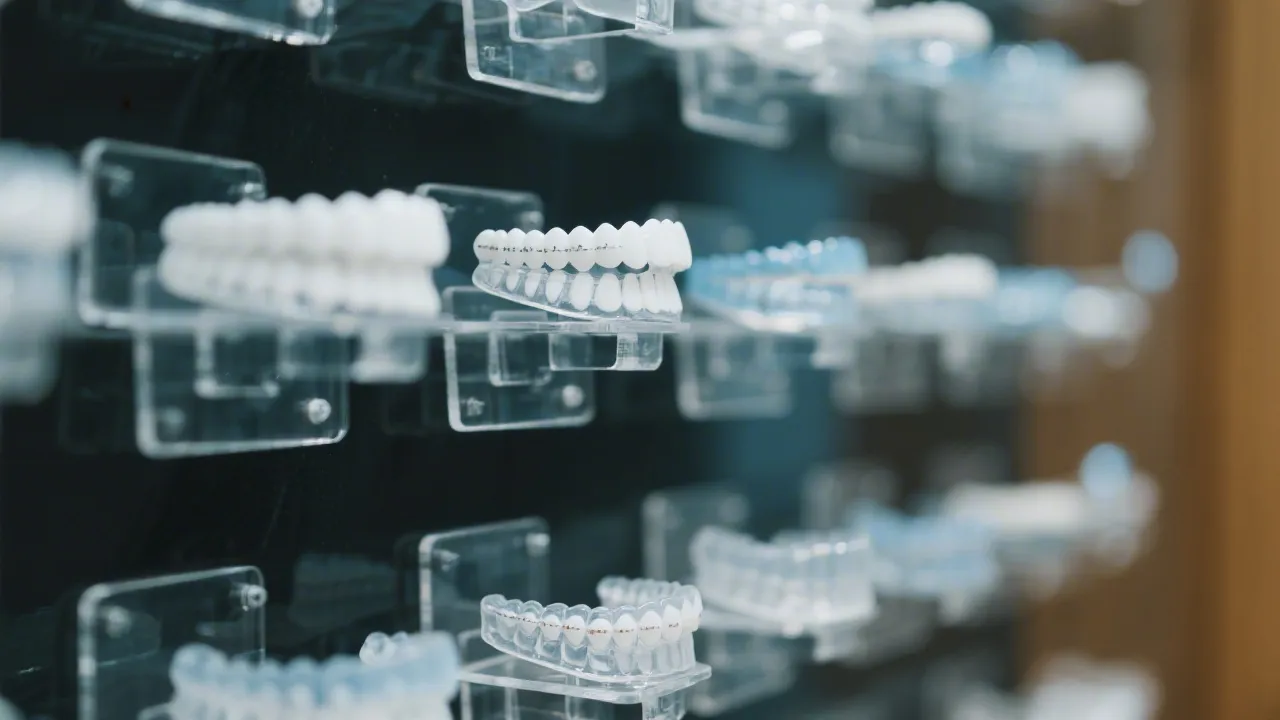
Invisaligners have become increasingly popular among patients seeking a discreet solution for teeth alignment. Unlike traditional metal braces, Invisaligners offer a clear, comfortable, and adjustable means of achieving a straighter smile. These aligners are removable, allowing patients to maintain their oral hygiene more effectively and continue enjoying their favorite foods without restrictions. This innovation in orthodontics has significantly altered the landscape of dental treatments, providing patients not only a functional solution but also an aesthetically pleasing one. The development of this technology reflects advancements in the dental field, aligning with contemporary lifestyles where convenience and effectiveness are paramount.
One of the primary benefits of Invisaligners is their virtually invisible appearance, making them an attractive option for adults and teenagers alike. This characteristic is particularly appealing to those who may feel self-conscious about wearing traditional metal braces. Additionally, they are custom-made to fit snugly over the teeth, minimizing discomfort experienced with metal brackets and wires. Unlike traditional orthodontic treatments, which often lead to discomfort during adjustment appointments, Invisaligners employ a more gradual approach to align teeth, contributing to patient comfort.
Furthermore, Invisaligners are designed with advanced technology that allows for precise tooth movements. Utilizing 3D imaging technology, orthodontists can plan a detailed treatment pathway that adjusts the position of teeth over time, thereby enhancing the effectiveness of the treatment. As patients progress through their aligner series, they witness the gradual transformation of their smiles, which can be a motivational factor throughout the treatment process.
In addition to comfort and aesthetics, Invisaligners require fewer visits to the orthodontist. Patients can change their aligners at home every one to two weeks, depending on the treatment plan devised by their orthodontist, which saves time and makes the treatment process more convenient. This aspect is particularly beneficial for busy professionals or students balancing multiple responsibilities, as it reduces the need for frequent appointments that are often necessary with traditional braces.
Overall, the comprehensive benefits of Invisaligners reflect a broader trend in dentistry towards personalized care and patient-centered approaches, allowing individuals to maintain their lifestyles while pursuing dental improvements.
While Invisaligners offer many advantages, they can be more expensive than traditional braces. It's important for patients to discuss cost considerations with their dental provider, as prices can vary based on the complexity of the case and the geographical location. In English-speaking countries, for instance, the cost ranges as follows:
| Country | Currency | Price Range |
|---|---|---|
| United States | USD | $3,000 - $6,000 |
| United Kingdom | GBP | £2,000 - £2,500 |
| Australia | AUD | AU$3,500 - AU$6,500 |
| Canada | CAD | CA$3,000 - CA$5,500 |
The investment in Invisaligners can seem substantial upfront, but many patients find that the benefits justify the cost. Additionally, many dental insurance plans cover a portion of the treatment, which can alleviate some of the financial burden. It is advisable for patients to inquire specifically about their insurance coverage and discuss payment plan options available through their orthodontist. Some providers may offer financing solutions that allow patients to spread the cost over time, ensuring that they can access the treatment they need without a significant upfront expense.
Ultimately, understanding the complete financial picture—including potential hidden costs or savings found in alternative treatment options—could help patients make an informed decision regarding their orthodontic journey.
Accessing Invisaligners involves consulting with an Invisalign-certified dental professional who will evaluate your dental condition and discuss treatment options tailored to your needs. The following steps outline the general process in English-speaking countries:
Finding a qualified Invisalign provider is crucial for ensuring the success of the treatment. Patients should look for providers who have extensive experience with Invisalign and have received specific training on the system. Reviews and referrals from friends or family can also be invaluable in making the right choice.
In some regions, access to orthodontic services may be limited due to location or availability of qualified professionals. In these instances, patients may consider traveling to urban areas where more orthodontic clinics are located. Many clinics also offer services in a wide variety of languages, accommodating patients from diverse backgrounds.
For those wanting to explore telemedicine options, some orthodontists may offer virtual consultations, allowing patients to gauge their eligibility for treatment from the comfort of their homes. Although initial evaluations often require in-person visits, follow-up appointments can frequently be conducted through video consultations, enhancing accessibility for patients with busy schedules or geographical constraints.
For individuals considering alternative dental treatments due to cost constraints, several resources provide insights into low-cost dental implant options. These alternatives can include various treatment modalities, such as mini implants, which are generally less invasive and more affordable compared to traditional implants. Here's a table summarizing key features of select websites:
| Website | Features |
|---|---|
| Dental Views | Focus on affordable dental implant solutions; detailed cost and treatment info. |
| Atlantic Dental Group | Wide range of services including implants; easy scheduling and location information. |
| DentaVacation | Specializes in dental tourism; cost comparisons and travel arrangements. |
Source: [Dental Views](https://dentalviews.com/low-cost-dental-implants/), [Atlantic Dental Group](https://www.atlanticdentalgrp.com/), [DentaVacation](https://www.dentavacation.com/)
Dental tourism is an increasingly popular option for individuals seeking affordable dental treatments, including implants. Many patients find that traveling to countries where dental care is less expensive allows them to receive high-quality treatment at a fraction of the cost they would incur in their home country. Patients should always conduct thorough research regarding the credentials of dental providers abroad and the standards of care available in those locations.
Q: How often should I wear my Invisaligners?
A: It's recommended to wear Invisaligners for 20-22 hours per day for optimal results. This consistent wear will ensure that teeth move according to the treatment plan established by the orthodontist.
Q: Do Invisaligners affect speech?
A: Initially, Invisaligners might cause a slight lisp, but most patients adjust quickly and speak normally soon after wearing them. The aligners are designed to fit closely over the teeth, and with time, most individuals become accustomed to the way they feel. Practicing speaking aloud can also aid in speeding up this adjustment period.
Q: Are follow-up visits necessary during Invisalign treatment?
A: Yes, regular check-ups are essential to ensure that teeth are moving as planned and to receive new aligners. Monitoring progress allows the orthodontist to make any necessary adjustments to the treatment plan, ensuring optimal results by the end of the process.
Q: Can I eat and drink with Invisaligners in?
A: It is not recommended to eat or drink anything other than water while wearing Invisaligners. Doing so can lead to staining or damage to the aligners, and may prevent them from fitting correctly.
Q: How do I clean my Invisaligners?
A: Cleaning your Invisaligners is straightforward. It is advised to brush and rinse them gently with lukewarm water. Patients should avoid using hot water, which could warp the plastic. Additionally, Invisalign cleaning crystals are available that can be used to help maintain a fresh appearance.
While Invisaligners are a popular choice, there are alternative orthodontic treatments available that might suit different patient needs. These options include traditional metallic braces, ceramic braces, lingual braces, and clear aligner alternatives. Each treatment comes with its own set of benefits and drawbacks:
Deciding on the best orthodontic treatment depends largely on personal preferences, financial considerations, and specific dental needs. Consulting with a knowledgeable orthodontist can provide guidance in making the best choice for each individual's unique situation.
Invisaligners represent a modern innovation in orthodontic care, offering both aesthetic and practical advantages over traditional braces. While cost considerations are important, many patients find the investment worthwhile for the comfort and appearance benefits. The treatment process, facilitated by cutting-edge technology and customized care, reflects a commitment to patient-centered approaches in dentistry. It's crucial to consult with a certified provider to explore tailored treatment options suited to individual needs. This engagement not only ensures a clear path toward a beautiful smile but also facilitates insightful discussions about alternative options, the overall timeline, aftercare, and any ongoing treatment necessities. In doing so, patients can embark on their journey knowing they have selected the best route for their oral health and personal aspirations.
Disclaimer: The above information comes from online resources, and the data is as of October 2023. Dental implant prices are for reference only and may vary by region, clinic, and doctor.
References: [Dental Views](https://dentalviews.com/low-cost-dental-implants/), [Atlantic Dental Group](https://www.atlanticdentalgrp.com/), [DentaVacation](https://www.dentavacation.com/), [Rockville Dental Arts](https://rockvilledentalarts.com/es), [Union City Mini Dental Implants](https://unioncityminidentalimplants.com/es), [Cigna - Guía de Implantes Dentales](https://www.cigna.com/es-us/knowledge-center/guide-to-dental-implants)