Introduction to Invisaligners
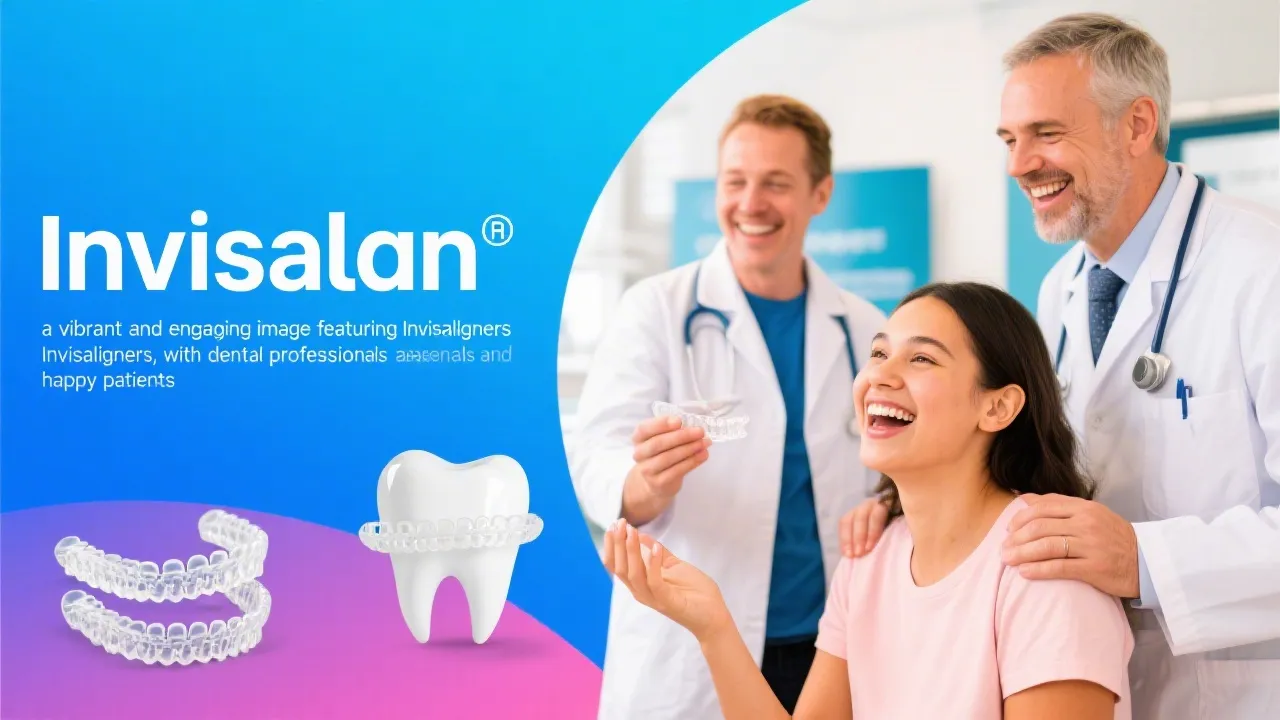
Orthodontics has seen numerous evolutions over the years, with Invisaligners standing out as a groundbreaking innovation in the field of teeth alignment and orthodontic treatment. These transparent, removable aligners shift teeth into their desired position subtly and effectively, offering a less conspicuous alternative to traditional metal braces. Their growing popularity is largely attributed to their comfort and aesthetic appeal, making them a preferred choice among both young and adult patients seeking orthodontic treatment without the conspicuous nature of metal brackets and wires.
Invisaligners are not just favored for their invisibility; they also have revolutionized how dental professionals approach orthodontics. Patients can now embark on their journey toward a perfect smile with a treatment plan that integrates modern technology and patient-centric care, empowering individuals to feel confident during their treatment period. The emergence of advanced imaging and computer-aided design technologies has allowed orthodontists to create a customized treatment plan that outlines the precise movements of each tooth. This personalized approach enables individuals to achieve desired results effectively while minimizing the time spent in the dental office.
Benefits of Invisaligners
Invisaligners offer several advantages over traditional braces that make them an appealing option for many. These benefits extend beyond mere aesthetics and encompass various aspects of treatment and patient experience:
- Virtually Invisible: One of the most significant advantages of Invisaligners is their transparency, allowing individuals to feel more confident during treatment. Unlike traditional braces, which can make a bold statement, aligners remain discreet and are often undetectable to others.
- Comfort: Invisaligners are typically made of smooth plastic, which reduces irritation and discomfort often experienced with metal braces. Patients do not have to worry about painful adjustments or sharp edges that can cause sores in the mouth.
- Removability: The ability to remove the aligners for eating, brushing, and flossing is a considerable advantage. This feature promotes better oral hygiene and allows patients to enjoy a wider variety of foods without the restrictions that come with traditional braces.
- Fewer Office Visits: With Invisalign treatment, patients generally require fewer visits to the orthodontist for adjustments compared to traditional braces. Patients progress through multiple sets of aligners according to their treatment plan, leading to less time spent in the dental chair.
- Predictable Results: Thanks to advanced 3D imaging technology, patients can see a simulation of their expected results before starting treatment. This visualization helps in building trust between the orthodontist and the patient, as they can envision the outcome of their investment.
- Customized Fit: Each aligner is individually tailored to the patient's teeth, which ensures superior fit and effectiveness. The personalized nature of the treatment caters to each individual's unique dental needs, leading to precise movements of the teeth.
Comparing Invisaligners to Traditional Braces
While both Invisaligners and traditional braces aim to align teeth, there are distinct differences in their application, effectiveness, and overall patient experience:
- Aesthetics: Invisaligners are designed to be clear and less noticeable compared to the prominent metal brackets and wires of traditional braces. This aesthetic difference is particularly appealing to adults and teenagers who may feel self-conscious about their appearance during treatment.
- Comfort: The smooth plastic material of Invisaligners minimizes irritation and discomfort, whereas traditional metal braces can cause significant soreness from the brackets and wires. Patients often find clear aligners less painful and easier to tolerate, especially during the initial adjustment phases.
- Treatment Time: Treatment duration varies by individual, depending on the complexity of the case. In straightforward cases, Invisaligners can often yield results more quickly than traditional braces, making them an appealing option for those looking for expedited results.
- Cost: Generally, Invisaligners can be more expensive than traditional braces; however, the specific cost varies depending on the complexity of the treatment, the length of time required, and the geographic location. Patients should consider both the financial aspect and the value of the benefits provided by Invisaligners.
- Suitability: While Invisaligners can treat a range of orthodontic issues, they may not be suitable for more complex cases, such as severe malocclusions or bite issues. Traditional braces may still be necessary for patients with significant dental and orthodontic concerns that require intricate movements.
Steps to Access Low-Cost Dental Implants
With the high cost of dental procedures being a barrier for many, particularly in the realm of dental implants, effective strategies can help individuals access affordable options without compromising quality. Here are proven methods to obtain low-cost dental implants:
- Research Dental Schools: Many dental schools provide reduced rates for procedures performed by students under the guidance of experienced instructors. This can be an excellent avenue for cost savings while ensuring that patients receive care from trained professionals.
- Consider Dental Tourism: Countries like Mexico, India, and Thailand are well-known for offering quality dental care at significantly lower prices. Dental tourism can allow patients to receive their desired treatments away from home while enjoying a vacation at the same time.
- Explore Dental Insurance Plans: Ensure that your dental insurance policy covers implants, or explore supplemental plans that can help offset the costs. Many plans may offer partial coverage, which can significantly reduce out-of-pocket expenses.
- Seek Clinics with Payment Plans: Many dental clinics now offer financing options that allow patients to spread the cost of implants over time. This makes the treatment more manageable for patients, allowing them to receive necessary care without financial strain.
- Look for Promotional Offers: Some dental clinics run special promotions or discounts for first-time patients or during certain times of the year. Keeping an eye out for these promotions can lead to significant savings.
- Ask About Nonprofit Organizations: There are nonprofit organizations and programs that provide assistance for dental procedures for those who qualify. Researching local opportunities can uncover valuable resources for affordable dental care.
Cost Comparison of Dental Implants in Various Regions
Understanding the cost of dental implants can guide decisions for necessary dental care, and it’s critical to compare prices across different regions. Here is an updated table comparing dental implant prices across various English-speaking countries:
| Country |
Currency |
Price Range |
| United States |
USD |
$3,000 - $6,000 |
| United Kingdom |
GBP |
£2,000 - £2,500 |
| Australia |
AUD |
AU$3,500 - AU$6,500 |
| Canada |
CAD |
CA$3,000 - CA$5,500 |
For prospective dental implant patients considering travel for treatment, here's a comparison of costs in some Spanish-speaking countries where dental care is notably more affordable:
| Country |
Currency |
Price Range |
| Spain |
EUR |
€1,500 - €2,500 |
| Chile |
CLP |
CLP$800,000 - CLP$1,500,000 |
| Mexico |
MXN |
$15,000 - $25,000 |
| Colombia |
COP |
$2,000,000 - $4,000,000 |
| Peru |
PEN |
S/ 3,000 - S/ 6,000 |
| Argentina |
ARS |
$80,000 - $150,000 |
FAQs about Invisaligners
- How long does treatment with Invisaligners take? The length of treatment can vary significantly based on individual needs, but most patients experience a timeline ranging from 12 to 18 months.
- Are Invisaligners suitable for all orthodontic conditions? Invisaligners are an excellent fit for simple to moderate alignment issues. However, complex cases may necessitate more advanced orthodontic interventions. Before beginning treatment, a thorough consultation with a qualified orthodontist is essential to discuss individualized treatment options.
- Do Invisaligners impact speech? Initially, some patients may experience a slight lisp or difficulty in enunciating words. However, this typically subsides within a few days as the tongue adjusts to the presence of the aligners.
- How often should Invisaligners be worn? To achieve optimal results, Invisaligners should be worn 20-22 hours a day. They should only be removed for eating, drinking (except for water), brushing, and flossing.
- Can I eat or drink with Invisaligners in? It is advised to remove the aligners when eating or drinking anything other than water. This helps avoid staining and ensures the aligners remain clear and effective throughout the treatment.
- How do I clean my Invisaligners? The aligners can be cleaned with mild soap and water or with specialized cleaning crystals. Avoid using hot water as it can distort the plastic material.
- Can I play sports with Invisaligners? Yes, many athletes wear Invisaligners during sports activities. However, it is advisable to consult with your orthodontist regarding the use of mouthguards for additional protection.
Conclusion
As technology advances, so do the options available in the realm of dental treatments. Invisaligners represent a significant leap forward in orthodontic solutions, merging aesthetic appeal with functionality and effectiveness. By understanding the choices and costs associated with Invisaligners and other dental solutions like implants, patients are empowered to make informed decisions about their dental health.
Considering the improvement in dental technology, it is critical for individuals to remain informed about the latest advancements and the myriad treatment options that exist, ensuring they find the most suitable path toward achieving their oral health goals. Regular consultation with dental professionals plays a vital role in this journey, as they can provide guidance tailored to each patient's specific needs.
The following table illustrates some of the low-cost dental implant solutions offered by various websites, alongside their prominent features:
| Website |
Features |
| Dental Views |
Low-cost implants, detailed procedure information, FAQs |
| Atlantic Dental Group |
Comprehensive dental services, location & team information |
| DentaVacation |
Dental tourism, cost comparisons, travel arrangements |
Patient education is paramount when navigating dental options. Resources available online can assist in demystifying dental procedures, costs, and the various treatments available. Patients should take the time to research and understand their choices, ensuring a confident and proactive approach to their dental health.
Disclaimer
1) The above information is sourced from various online resources, and the data is accurate as of October 2023. 2) Dental implant prices quoted are for reference purposes only and may vary by region, clinic, and dental professional.
References