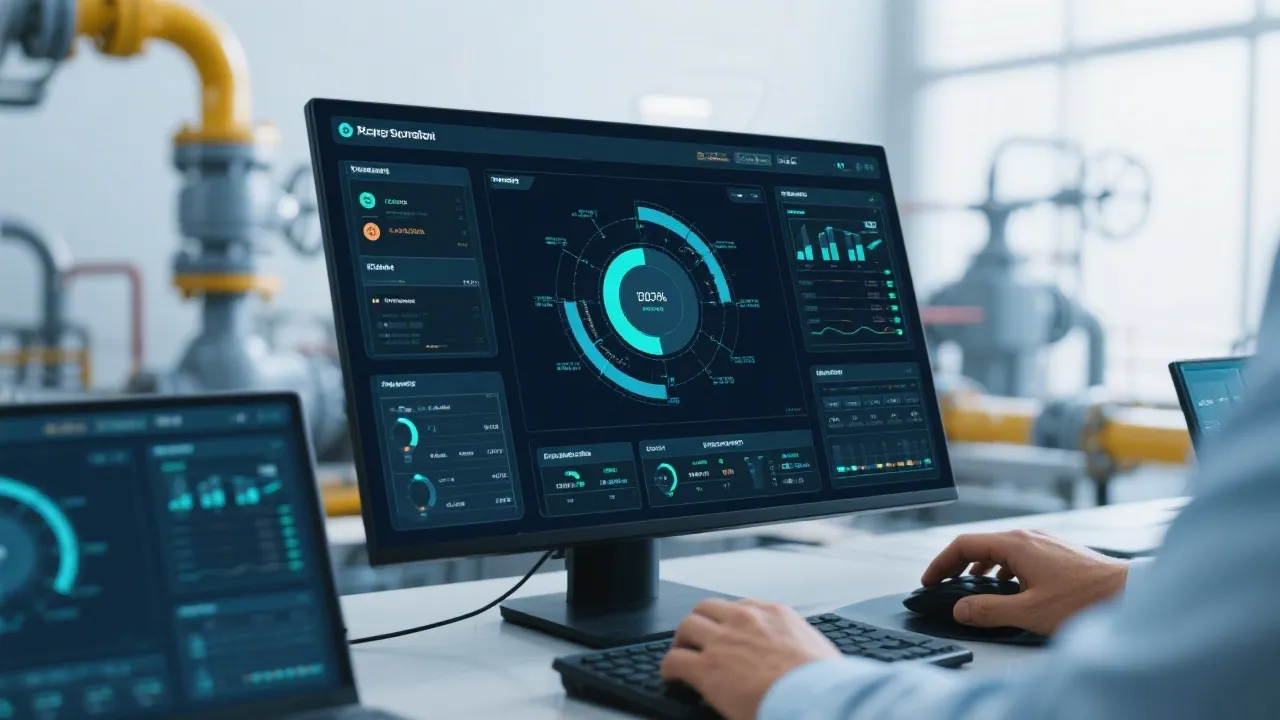
Ihm Scada plays a pivotal role in industrial automation, offering a seamless interface to monitor and control diverse systems. These systems are crucial in sectors ranging from manufacturing to utilities, enhancing operational efficiency and data management. This guide explores the fundamentals of Ihm Scada, highlighting its significance, applications, and future trends, while addressing common industry queries.

In the world of industrial automation, Ihm Scada systems stand out as a linchpin, facilitating efficient monitoring and control across various industries. From manufacturing floors to complex power grids, these systems provide a graphical interface that bridges human operators with machinery, ensuring real-time data visibility and streamlined operations. The integration of human-machine interface (Ihm) technology within the Scada environment has not only enhanced the usability of these systems but also improved overall operational effectiveness and safety standards.
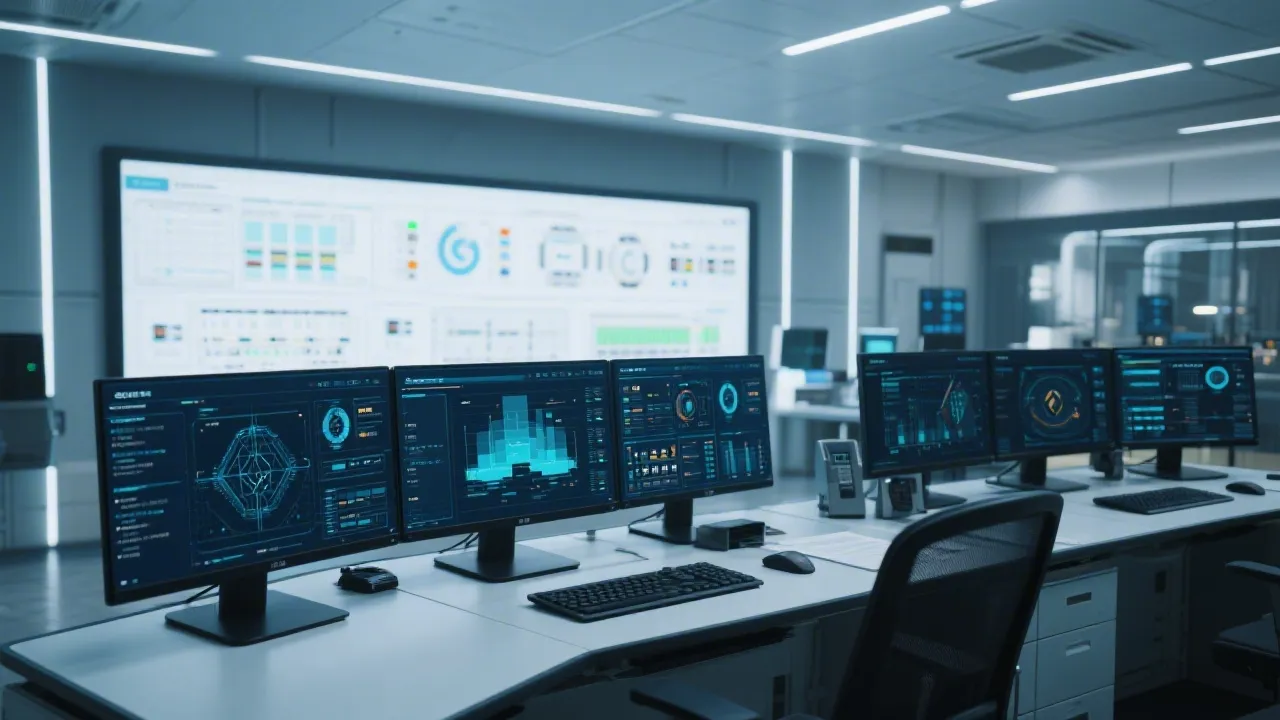
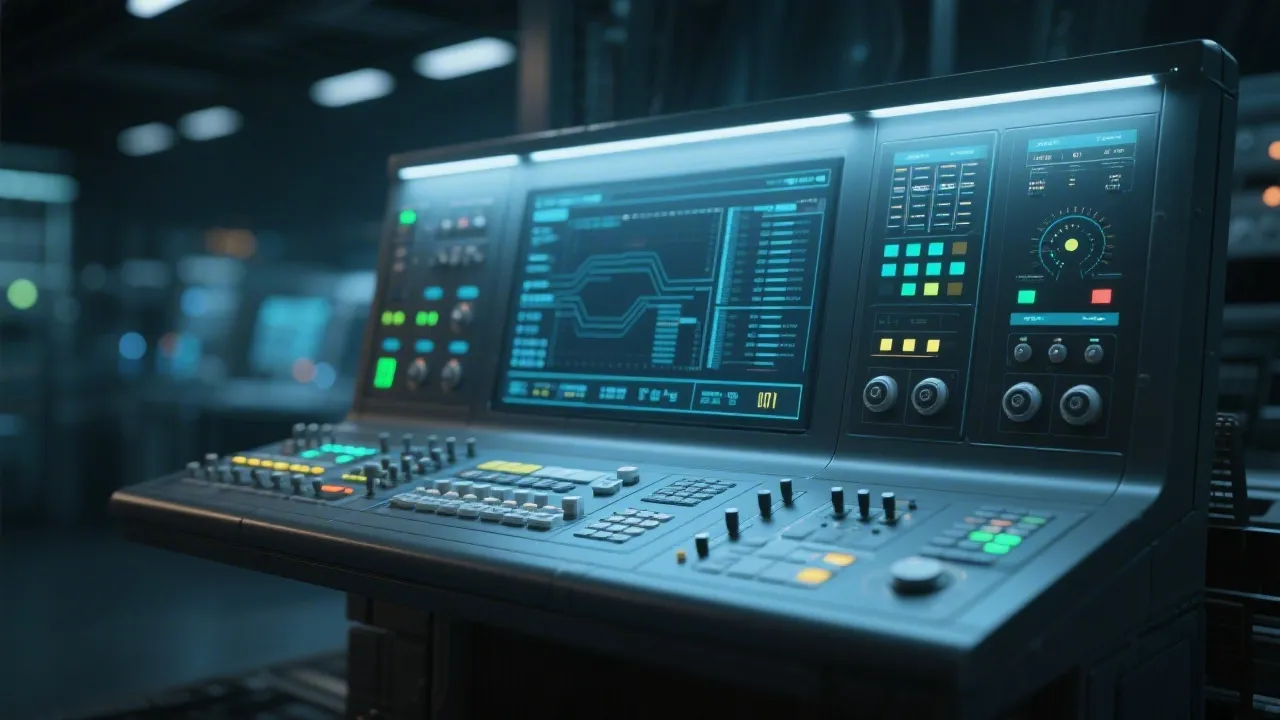
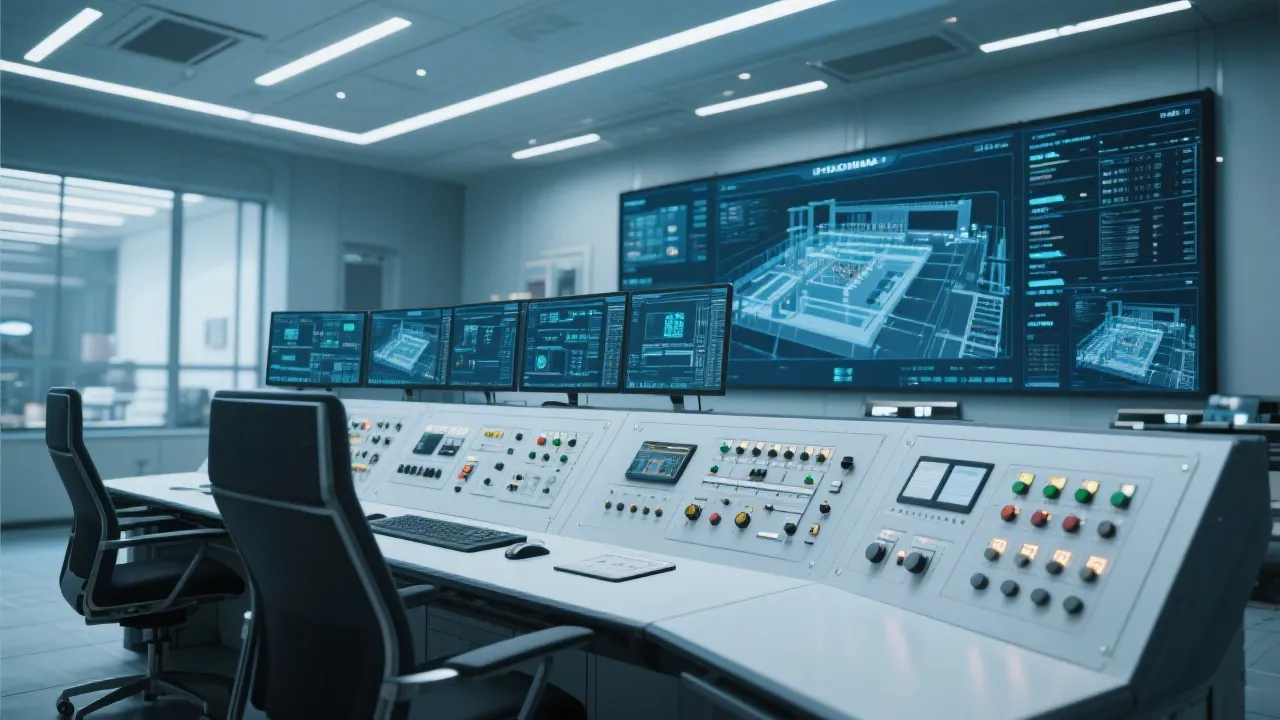
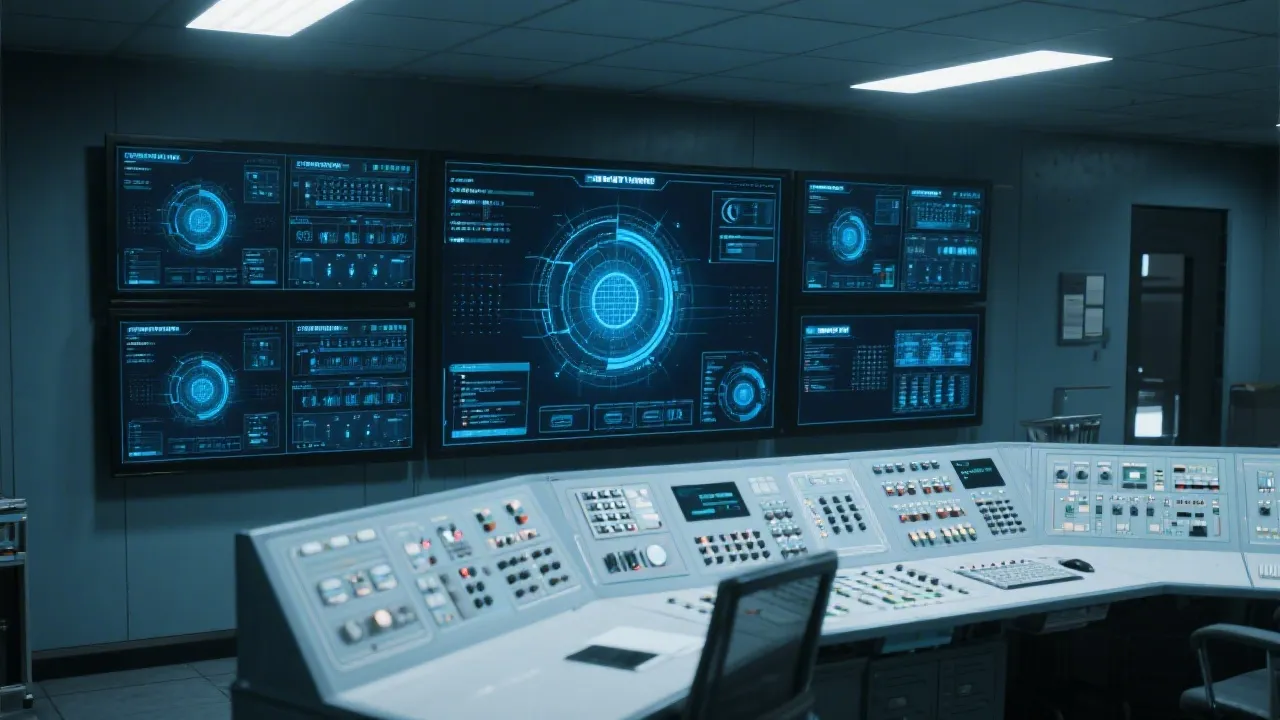
Ihm (Interface Homme-Machine) Scada (Supervisory Control and Data Acquisition) refers to sophisticated software applications that present a high-level graphical interface for monitoring and controlling industrial processes. They collect real-time data from sensors and equipment, allowing operators to supervise and manipulate operations from a central location. This integration enhances productivity, safety, and operational decision-making. By visualizing complex data sets in a user-friendly manner, Ihm Scada systems empower operators to make informed decisions quickly, thus minimizing downtime and maximizing efficiency.
Originating in the early 1960s, Scada systems have transformed over the decades, evolving from rudimentary mechanical controls to today's digital and networked platforms. Initially, these systems were limited to basic monitoring functions, relying on analog instrumentation and manual intervention. However, the advent of digital technology heralded significant advancements, introducing programmable logic controllers (PLCs) and remote terminal units (RTUs) that streamlined data collection and control capabilities.
The fusion with Ihm technology has refined user interfaces, improving the precision and scope of control across various industries, such as manufacturing, utilities, and transportation. As businesses began to understand the potential benefits of real-time data, the demand for more sophisticated Scada solutions grew. This paved the way for the integration of advanced features such as graphical data representation, alarm management, and trend analysis, which have now become standard components of modern Ihm Scada systems.
These systems find applications across a multitude of sectors, each benefiting from the advanced features and capabilities that Ihm Scada offers:
The evolution of Ihm Scada systems is heavily influenced by technological advances such as Industrial Internet of Things (IIoT), artificial intelligence, and cloud computing. These trends are driving improvements in system interoperability, data analytics capabilities, and cybersecurity measures. The future of these systems lies in fully integrated smart solutions that provide predictive maintenance, adaptive control strategies, and seamless integration into enterprise resource planning (ERP) systems.
Furthermore, the rise of artificial intelligence is enabling intelligent data processing and anomaly detection, which significantly improves operational efficiency and responsiveness. By implementing machine learning algorithms, organizations can leverage historical data to predict possible failures and optimize maintenance schedules. This predictive capability minimizes unexpected downtimes and extends the lifecycle of expensive equipment.
Cloud computing has emerged as a game changer for Scada systems, allowing for the storage and processing of massive amounts of data without the limitations of physical data centers. Cloud-based Scada solutions offer flexibility and scalability, enabling organizations to adapt to changing demands with ease. Additionally, cloud platforms facilitate remote access, allowing operators to monitor and manage processes from virtually anywhere in the world.
| Platform | Key Features | Industries Served |
|---|---|---|
| Platform A | Advanced analytics, mobile connectivity, comprehensive API support | Manufacturing, Utilities |
| Platform B | Robust data handling, secure communication, customizable dashboards | Oil and Gas, Water Management |
| Platform C | Real-time data visualization, user-friendly HMI, cloud integration | Pharmaceuticals, Food and Beverage |
| Platform D | Cross-platform compatibility, edge computing support, detailed reporting tools | Transportation, Logistics |
| Platform E | Scalability, multi-user access, modular architecture | Data Centers, Energy Management |
The deployment of Ihm Scada systems is not without challenges. Key considerations include ensuring cybersecurity, addressing scalability, and managing integration with existing legacy systems. Organizations must weigh these factors alongside the potential benefits to make informed decisions about adoption and implementation.
Cybersecurity remains a foremost concern, as Scada systems are often targeted by malicious attacks seeking to exploit vulnerabilities in critical infrastructure. It’s paramount for organizations to establish robust security protocols, including network segmentation, encryption, and continuous monitoring for threats. Additionally, regular updates and patches are vital to maintaining system integrity and resilience against emerging threats.
Scalability is another critical consideration. As industries evolve and grow, the capacity of the Scada system must also scale to accommodate larger datasets and more connected devices. Organizations should opt for modular systems that allow easy integration of new components without significant downtime.
The challenge of integrating with legacy systems cannot be overstated. Many industries rely on older technology that may not seamlessly communicate with modern Scada solutions. Organizations must carefully devise integration strategies that ensure data consistency while transitioning towards more advanced and capable Scada systems.