IHM SCADA systems are integral to industrial automation, managing vast amounts of data across various sectors. These advanced systems enhance operational efficiency through real-time monitoring and control capabilities. Industries rely on them for real-time data acquisition, conceptualizing a future where more complex processes can be automated seamlessly. This article explores these systems' essential features, benefits, and potential future advancements.
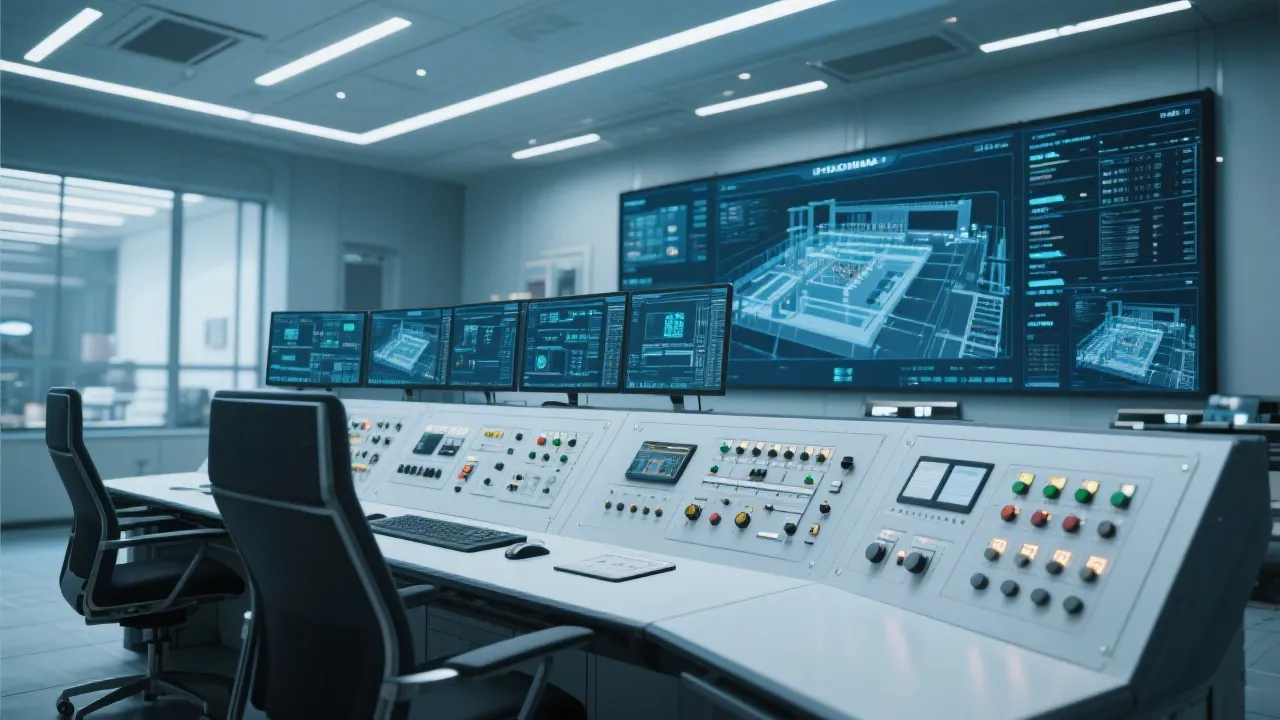
The Industrial Human-Machine Interface (IHM), in conjunction with Supervisory Control and Data Acquisition (SCADA) systems, signifies a monumental progression in the realm of industrial automation. Tailored to provide a vital link between operators and complex machinery, these systems are crucial in amplifying operational efficiency, minimizing errors, and guaranteeing a smooth production cycle. The integration of IHM and SCADA enables not just monitoring and control, but also data collection and analysis, making them indispensable tools in the modern industrial landscape.
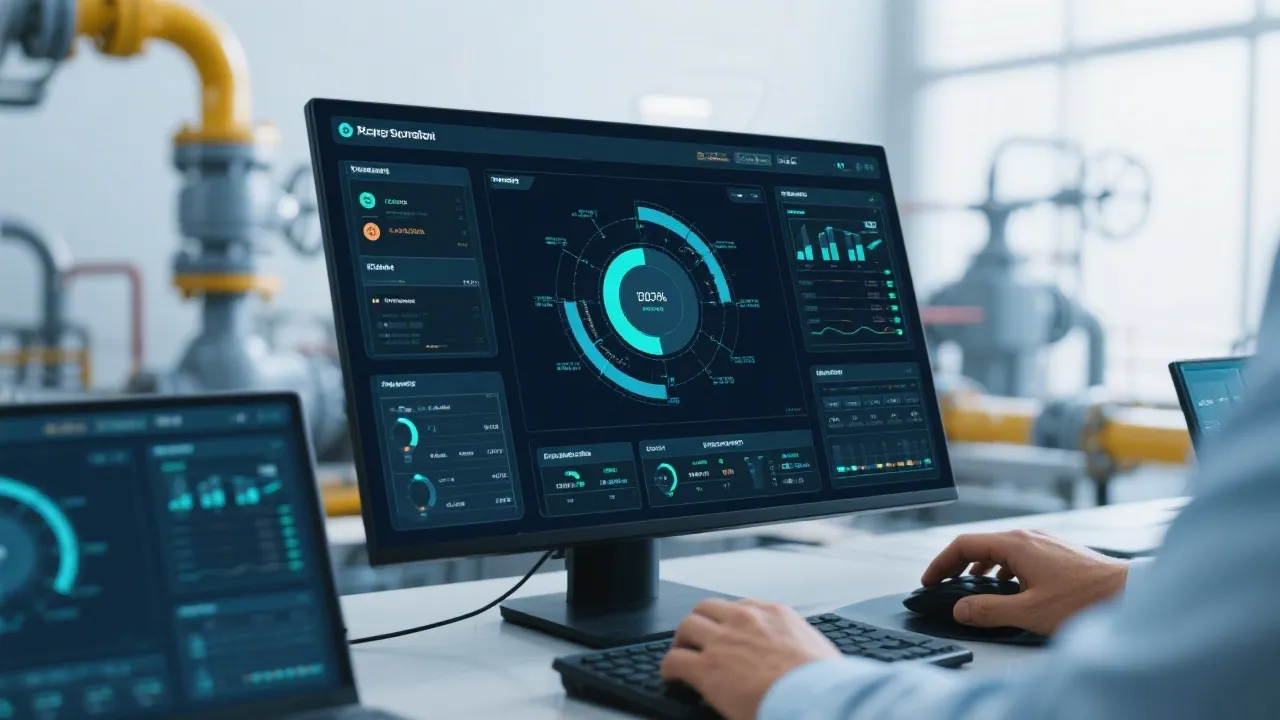
IHM SCADA systems deliver a comprehensive platform for real-time monitoring and management of industrial processes. The IHM component functions as the user interface, enabling operators to intuitively engage with machines and systems. On the contrary, SCADA's pivotal role involves aggregating and analyzing data, dispatching control commands, and maintaining the overall operational integrity of various processes. By nurturing this interaction, IHM SCADA fosters a more responsive and efficient environment for operators, vastly improving the management of industrial systems.
Modern industries, ranging from manufacturing to energy management, heavily depend on IHM SCADA systems for multiple critical functions. These systems facilitate the seamless integration of diverse industrial components, culminating in a unified framework that significantly enhances productivity. One of the prominent advantages offered by IHM SCADA systems is the provision of invaluable data insights. These insights allow for informed decision-making and strategic planning, equipping businesses to stay competitive in fast-paced markets. Furthermore, these systems play a pivotal role in predictive maintenance, which drastically minimizes downtime and extends the lifespan of machinery, ultimately contributing to increased profitability and operational effectiveness.
Investing in IHM SCADA systems can yield substantial benefits for contemporary industrial setups. Below, we highlight several notable features along with their respective advantages:
| Feature | Benefit |
|---|---|
| Real-time Data Monitoring | Provides rapid updates on system status, ensuring swift action can be taken in case of anomalies, thus minimizing potential risks. |
| Remote Access | Empowers operators to monitor and control operations from various locations, augmenting flexibility and productivity in operations. |
| Data Analytics | Facilitates forecasting of trends and execution of root cause analyses, which optimize processes and curtail wastage, contributing to operational efficiency. |
| User-Friendly Interface | Simplifies user experience, leading to reduced time for training operators on complex tasks, and enhances overall operational comprehension. |
| Security Features | Safeguards critical data from cyber threats, ensuring the integrity of systems and continuity of operations, which is crucial in today's interconnected landscapes. |
As industries continue to evolve, the demand for more intelligent, agile IHM SCADA systems is expected to escalate. Future advancements may feature the integration of artificial intelligence, which could bring predictive analytics capabilities to the forefront of operational management. Beyond AI, the evolving concept of the Internet of Things (IoT) harbors the potential to expand SCADA functionalities significantly, fostering greater connectivity among devices, enhanced intelligence in operations, and promoting more informed, data-driven decision-making processes.
The adaptability of IHM SCADA systems lends itself to a wide array of applications across various industries:
Despite the myriad benefits that IHM SCADA systems provide, the implementation of such advanced systems is not without challenges. Organizations must carefully consider initial investment costs versus long-term gains, navigate the complexities of system integration, and maintain dedication to ongoing system maintenance to sustain operational effectiveness. Furthermore, cybersecurity is a critical concern; as systems become increasingly interconnected and reliant on external networks, safeguarding against unauthorized access, data breaches, and cyber-attacks becomes paramount for operational security and integrity.
Additionally, organizations must invest in training for their workforce. The technology surrounding IHM SCADA is continually evolving, and it is vital that employees are well-versed in the latest functionalities and security protocols. Implementing a continuous education program can ensure that operators are equipped with the necessary skills to effectively manage the systems. This proactive approach not only increases system efficiency but also mitigates the risk of human error, which can lead to costly downtime or safety hazards.
The ongoing development and implementation of IHM SCADA systems symbolize a crucial shift in the operational paradigms of industries, paving the way for enhanced efficiency, greater sustainability, and sustained growth. As technology continues to advance, these systems will remain pivotal in achieving industrial excellence through innovation and efficiency, essentially serving as the backbone of industries that are increasingly reliant on automation and data-driven decision-making.
The future of industry undeniably rests on the shoulders of IHM SCADA systems as they evolve in tandem with technological advancements. With effective implementation, these systems can transform the way industries operate, enabling a new era where efficiency, safety, and productivity are at the forefront of industrial objectives. As we embrace this next stage, organizations must strategically plan their investments in IHM SCADA to leverage their full potential, ensuring that they remain competitive and sustainable in an ever-changing landscape.
Through continued innovation, the potential to harness the immense power of data will facilitate smarter decision-making, allowing companies to not only respond to current trends but also anticipate future challenges. This capability will ultimately lead to a more resilient industrial infrastructure capable of withstanding external pressures while harnessing opportunities for growth and development, embodying the essence of modern industrial operations.
In addition to recognizing the importance of implementing IHM SCADA systems, industries must also address integration challenges that might arise when adopting these sophisticated tools. Successfully incorporating SCADA systems into existing operational infrastructures requires careful planning, skilled personnel, and robust methodologies:
By addressing these integration challenges with strategic foresight, industries can leverage the full potential of IHM SCADA systems, ultimately driving efficiency, innovation, and benefit across their operational capacities.
Real-world case studies can illuminate the transformative impact of IHM SCADA systems across various industries. Here are a few notable examples:
A leading global manufacturer of automotive components faced significant downtimes due to machinery breakdowns, affecting their production schedules and revenue. The company integrated an IHM SCADA system for comprehensive monitoring and predictive maintenance, facilitating real-time analytics and insights into machinery performance. Post-implementation, the company reported a 30% reduction in equipment failures and a 20% increase in production efficiency within six months.
An energy company specializing in renewable power sources employed IHM SCADA technology to streamline its operations across multiple geographic locations. By enabling remote access and real-time monitoring of their wind and solar farms, the organization improved energy production forecasting accuracy by 40%. This resulted in optimal resource allocation during peak demand periods, enhancing their profitability substantially.
A municipal water utility adopted IHM SCADA systems to revolutionize its aquatic infrastructure. The system allowed for the monitoring and automation of water treatment processes, significantly reducing labor costs and improving compliance with environmental regulations. The result was a 25% reduction in operational costs and enhanced water quality for the community, showcasing the benefits of integrated technologies in public utilities.
These case studies highlight the diverse applications of IHM SCADA systems and underscore the transformative potential they hold across different sectors. Investing in such innovative technologies not only drives operational efficiency but also fosters a proactive approach to managing industrial environments effectively.
In conclusion, IHM SCADA systems are transforming industries by providing essential tools for real-time monitoring, data analytics, and efficient operational control. The benefits of enhanced productivity, safety, and decision-making capabilities compel leaders in various sectors to consider adopting these robust systems. As industry dynamics continue to demand swift adaptations, organizations that embrace IHM SCADA technologies will likely secure a competitive edge.
To remain relevant within the ever-evolving landscape, organizations must view the integration of IHM SCADA not merely as an upgrade in technology but as a strategic initiative that lays the foundation for sustainable growth and innovation. Through investment in technology, training, and a culture of continuous improvement, industries can harness the full potential of IHM SCADA systems, steering towards a more efficient and resilient future.