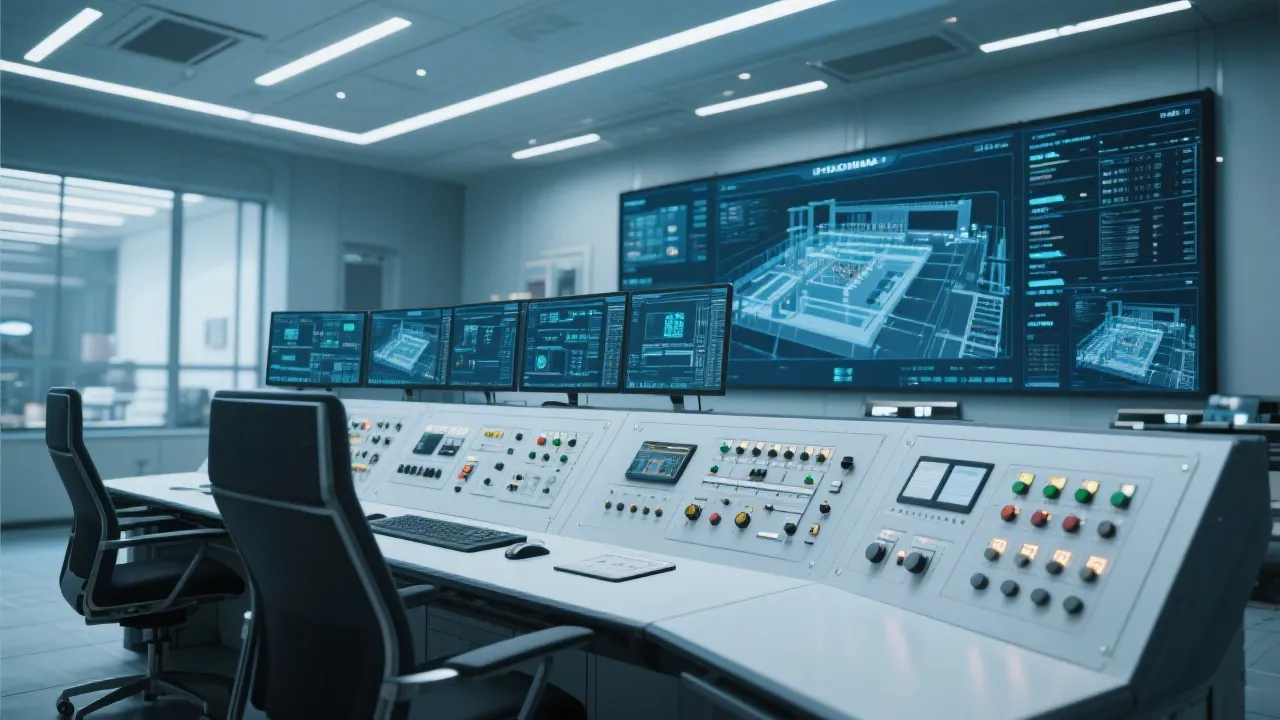
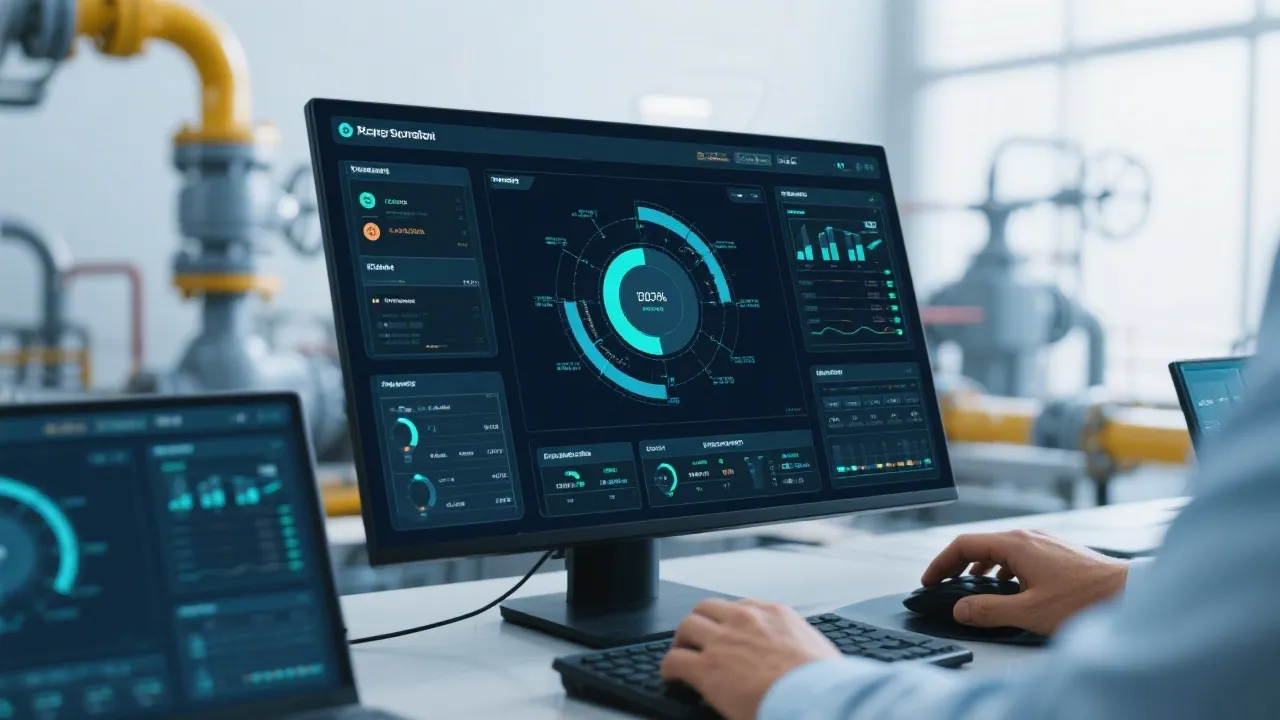
Ihm Scada systems are pivotal in modern industrial operations, providing real-time monitoring and control over extensive processes. Often utilized in sectors like manufacturing, energy, and utilities, they comprise interfaces that translate vast amounts of data into actionable insights, enhancing efficiency, safety, and productivity in industries worldwide.

In today's rapidly evolving industrial landscape, Ihm Scada (Supervisory Control and Data Acquisition for Industrial Human-Machine Interface) systems stand at the forefront, revolutionizing the way processes are monitored and controlled. These systems integrate software and hardware tools that allow operators to interact seamlessly with machinery, ensuring industrial processes are both efficient and safe. With the advent of smart technology and automation, the role of Ihm Scada systems is becoming increasingly vital in ensuring operational effectiveness and optimizing resource utilization.
Ihm Scada systems play a crucial role in a variety of industries, including manufacturing, energy production, and utilities. By providing a visual interface for operators, these systems allow for real-time monitoring and control of industrial operations. This capability is particularly vital in settings where efficiency, safety, and reliability are paramount. For instance, in manufacturing plants, Ihm Scada systems enable constant oversight of machinery performance, which not only helps in reducing downtime but also in enhancing product quality. Moreover, in the energy sector, these systems monitor power generation and facilitate the management of supply chain intricacies, thereby ensuring a steady flow of electricity.
Implementing an Ihm Scada system brings numerous benefits. It enhances operational efficiency by automating routine processes and reducing the likelihood of human error. Furthermore, these systems improve safety by providing immediate alerts to any emerging anomalies in the operation, allowing quick intervention. Improved data visibility also promotes better decision-making by ensuring that the right information is available at the right time. Additionally, the utilization of historical data can result in predictive analytics, allowing operators to foresee potential failures and address them preemptively. Over the long term, these efficiencies often translate into significant cost savings.
Over the years, Ihm Scada technology has evolved significantly. Initially, these systems were limited in capacity and functionality. Early implementations were often cumbersome and required significant manual input, which diminished their effectiveness. However, advancements in computing and data processing have markedly enhanced their capabilities, making them more robust, scalable, and versatile in contemporary applications. The advent of cloud computing, for instance, has allowed for more powerful data storage solutions and computational resources, enabling deeper analytics and insights into operational data.
Moreover, the integration of artificial intelligence (AI) and machine learning (ML) has led to predictive maintenance capabilities. These advancements empower operators to not only monitor current conditions but also predict future system behavior based on historical data trends. As a result, organizations can move towards a more proactive operational model, reducing unexpected breakdowns and extending the lifespan of their equipment.
In the energy sector, Ihm Scada systems are indispensable for monitoring power generation and distribution. They provide operators with real-time insights into the performance of power plants, allowing for efficient energy distribution and facilitating grid stability. In manufacturing, they streamline production lines, ensuring seamless operations and quality control by monitoring equipment performance and product quality. Utilities employ these systems to manage water and waste systems effectively, reflecting their broad utility across diverse applications.
In sectors such as pharmaceuticals, Ihm Scada systems play a crucial role in maintaining compliance with strict regulatory standards by ensuring process consistency and validity. Similarly, in the transportation sector, they assist in monitoring infrastructure conditions like rail and highway systems, contributing to public safety and operational efficiency.
| Industry | Application |
|---|---|
| Manufacturing | Optimizing production efficiency and product quality. Real-time adjustments can be made to manufacturing processes to minimize waste and maximize output. |
| Energy | Monitoring and controlling power plants and grid systems, ensuring stable power supply and reducing outages. Advanced analytics help in forecasting energy demands and integrating renewable energy sources more effectively. |
| Utilities | Managing water supply systems and waste management operations with real-time telemetry, improving resource allocation and environmental compliance. |
| Pharmaceuticals | Ensuring compliance with safety and quality regulations during drug production. Ihm Scada systems help in process documentation and audit trails. |
| Transportation | Monitoring infrastructure health to ensure safety and efficiency in public transport systems, addressing maintenance needs before they lead to operational disruptions. |
The future of Ihm Scada systems is bright, with a trend towards integration with IoT (Internet of Things) technologies, further enhancing connectivity and data availability. Through IoT, devices and sensors can communicate with one another, creating a virtual ecosystem that provides operators with an unparalleled amount of information and insights. The proliferation of smart sensors also means that data can be collected at an unprecedented scale, offering deeper insights into the complexities of industrial processes.
Moreover, innovations in artificial intelligence promise to bring predictive capabilities to these systems, allowing for more proactive maintenance and operation strategies. Machine learning algorithms will enable Scada systems to learn from operational data and adapt over time, enhancing their predictive accuracy and utility. Furthermore, the introduction of augmented reality (AR) and virtual reality (VR) technologies in conjunction with Scada systems could revolutionize operator training and maintenance protocols, offering immersive experiences that improve understanding and operational effectiveness.
Another trend that is likely to influence the future of Ihm Scada systems is the increasing emphasis on cyber-physical systems. As industries become more interconnected, ensuring the security of these systems and the data they handle will be paramount. Manufacturers of Ihm Scada systems are likely to invest more heavily in cybersecurity features to protect against potential vulnerabilities and threats that arise from increasing digitalization.
Despite their extensive benefits, implementing Ihm Scada systems comes with challenges, including high initial setup costs and the need for ongoing maintenance and upgrades. Adoption of new technologies can sometimes face resistance from staff, who may be accustomed to traditional processes. Training and change management become critical components of a successful implementation. In particular, ensuring that operators are comfortable and proficient with the new systems requires investment in comprehensive training programs.
Ensuring cybersecurity is another significant consideration, given the increasing cyber threats in the industrial sector. As Ihm Scada systems often handle critical infrastructure and sensitive data, they can become targets for malicious attacks. Organizations must invest in robust cybersecurity protocols, including encryption of data traffic, regular updates of software, and comprehensive incident response plans. Furthermore, regulatory compliance with industry standards and protocols must also be considered during the implementation phases.
Reliability and redundancy are also essential considerations; as these systems become more central to operations, any downtime can lead to significant losses. Following best practices in redundancy design, including backup systems and proactive maintenance schedules, will help mitigate these risks. Adopting a proactive stance in identifying and addressing potential system weaknesses is essential for long-term operational success.
1. What is the primary purpose of an Ihm Scada system?
The primary purpose of an Ihm Scada system is to provide real-time monitoring and control of industrial processes, enhancing efficiency, safety, and decision-making capabilities. By centralizing information from various subsystems, Ihm Scada helps in cultivating a comprehensive picture of operational health.
2. How does Ihm Scada improve operational efficiency?
Ihm Scada systems improve operational efficiency by automating data collection and processing, reducing the likelihood of human error, and offering fast analysis and alerts for process deviations. By ensuring that operators have access to timely and relevant information, they can make quick decisions that directly improve productivity levels.
3. What are the costs associated with Ihm Scada implementation?
The costs of implementing an Ihm Scada system can be significant, covering hardware, software, and integration services. These costs are often offset by increased efficiencies and reduced downtime in operations. While the initial investment may seem large, organizations frequently find that the return on investment is realized through higher productivity and operational resilience.
4. Are there any risks involved with Ihm Scada systems?
The main risks involved with Ihm Scada systems include potential cybersecurity threats and the need for continuous updates and maintenance to ensure optimal performance and security. System failures or breaches can lead to costly downtime and regulatory penalties, underscoring the importance of a proactive and vigilant approach to system management.
In conclusion, Ihm Scada systems represent an integral component of modern industrial processes, significantly enhancing monitoring, control, and optimization. As technology continues to evolve, these systems will likely undergo further transformations, increasingly integrating with advanced automation and data analytics technologies. By addressing the current challenges and preparing for future trends, organizations can leverage Ihm Scada systems to achieve greater efficiency and operational excellence in their respective industries.